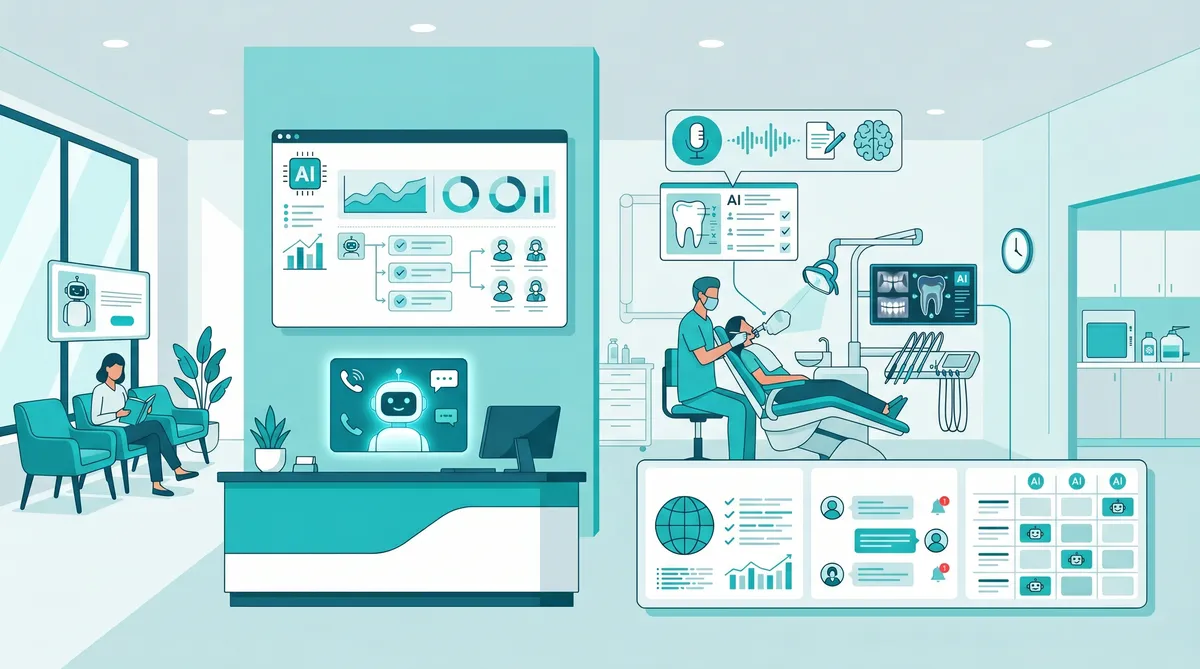
5 Ways AI Can Streamline Patient Communication and Boost Satisfaction
Managing patient communication effectively is critical for any successful private practice. However, juggling administrative tasks alongside patient care can often feel overwhelming. Fortunately, artificial intelligence (AI) can significantly streamline this process, saving you valuable time and enhancing patient satisfaction.
Here are five actionable strategies to effectively implement AI into your patient communication:
1. Automate Appointment Confirmations
Reduce no-shows by using AI-powered systems that automatically send reminders via email or SMS. Set up templates that personalize messages with patient names, appointment times, and specific instructions to ensure clarity and improve attendance rates.
Action Tip: Start by identifying your most frequent communication touchpoints and automate these first to see immediate efficiency gains.
2. Set Up an AI-Based FAQ Chatbot
Deploy an AI chatbot on your practice’s website or messaging platforms to answer common patient questions around the clock. This frees your team from repetitive inquiries and ensures patients receive instant responses, enhancing their experience.
Action Tip: Compile a list of your most common patient questions and integrate these into a chatbot that continuously learns and improves responses over time.
3. Leverage AI for Personalized Patient Outreach
Use AI analytics to segment your patient base and send targeted health updates or wellness tips that resonate personally with each patient group. This not only strengthens patient engagement but also fosters loyalty.
Action Tip: Analyze patient interaction data to identify communication preferences and topics of interest, then tailor your outreach accordingly.
4. Automate Feedback Collection
Implement AI tools to automatically send surveys and feedback forms following appointments. AI can analyze responses in real-time, quickly highlighting areas for improvement or commendation, allowing your practice to adapt rapidly.
Action Tip: Regularly review collected feedback to spot trends and proactively address any recurring concerns.
5. Utilize Predictive Analytics for Follow-ups
Employ AI-driven predictive analytics to determine optimal follow-up schedules tailored to patient treatment plans. Predictive tools help you proactively manage patient care, increasing satisfaction and health outcomes.
Action Tip: Begin by identifying treatments or services that commonly require follow-ups and use AI tools to automate timely, personalized patient check-ins.